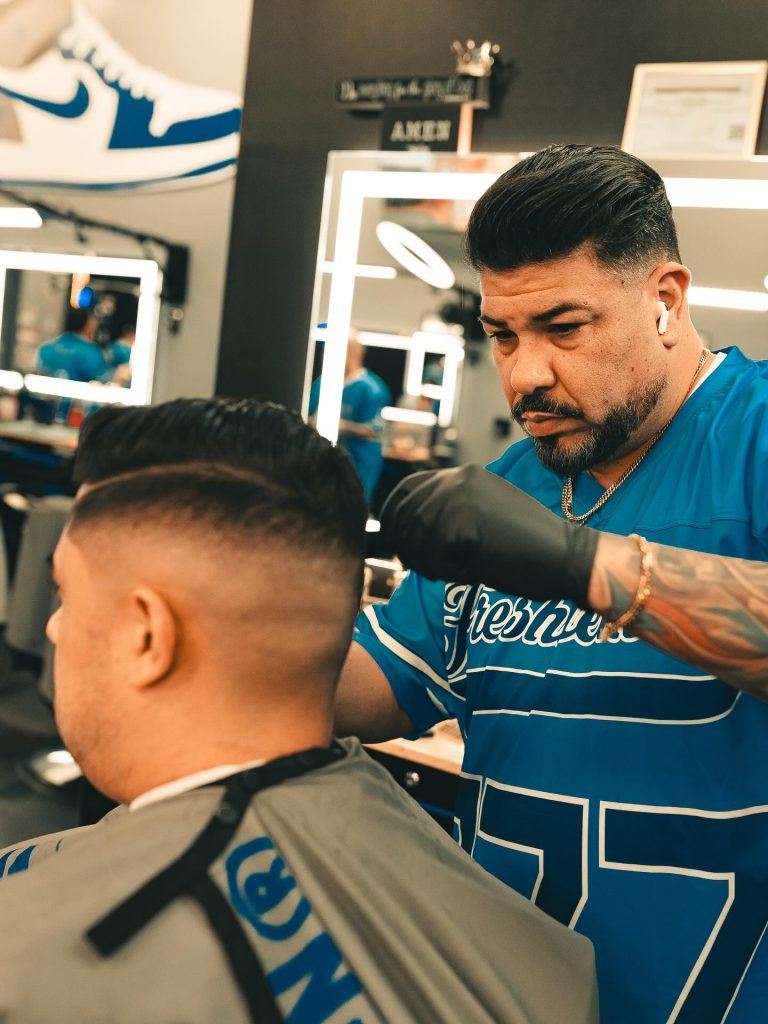
Whether you’re rocking a tight fade or a flowing mane, the question is always the same: “How long can I wait before I look messy?” There’s no one-size-fits-all answer. Your ideal haircut frequency depends on your hair length, style, and how fast your hair grows. To help you stay looking sharp, here is the professional breakdown of when you should actually book your next chair session.
1. Short Hair and Fades: Every 1–3 Weeks
Short hair shows growth almost immediately. If you have a high skin fade or a sharp buzz cut, even half an inch of growth can make your style look “blurry” and lose its crisp edges.
- Skin Fades: Every 1 to 2 weeks to keep the transition seamless.
- Classic Crew Cuts: Every 2 to 3 weeks to maintain the silhouette.
- The Benefit: Frequent visits allow your barber to perform “maintenance trims,” keeping the shape consistent without needing a total redesign.
2. Mid-Length Styles: Every 4–6 Weeks
Mid-length styles—like pompadours, quiffs, or classic side parts—offer a bit more “grace period.” These cuts rely on volume and structure, which can handle a little extra length before becoming unmanageable.
- The Strategy: Aim for once a month.
- The Warning Sign: When you notice you’re using twice as much styling product to keep your hair up, or the weight starts making your hair fall flat, it’s time for a trim.
3. Long Hair: Every 8–12 Weeks
Growing your hair out doesn’t mean skipping the barber entirely. Even long hair needs professional attention to stay healthy.
- The Frequency: Every 2 to 3 months.
- Why Trim? The ends of long hair are the oldest and most prone to split ends. If you don’t trim them, the split can travel up the hair shaft, causing breakage and frizz. A “dusting” (a very light trim) removes the damage without sacrificing your hard-earned length.
4. Factors That Change Your Timeline
Not everyone’s hair follows the same rules. Keep these three variables in mind:
Hair Growth Rate
On average, hair grows about half an inch per month. If yours grows faster, you’ll need to shave a week off the recommendations above.
Texture and Density
- Thick/Coarse Hair: Tends to lose its shape faster as it gains “bulk” on the sides.
- Fine Hair: Can look limp and thin if it gets too long, requiring more frequent trims to maintain a look of fullness.
Personal Style
Are you a “perpetually polished” person? You’ll be in the shop twice as often as someone who prefers a “lived-in” or slightly rugged look.
5. Summary Guide: The Haircut Calendar
| Style Type | Recommended Frequency | Key Goal |
| Skin Fade / Taper | 1–2 Weeks | Maintain sharp lines. |
| Short / Buzz Cut | 2–3 Weeks | Keep the shape clean. |
| Medium / Pompadour | 4–6 Weeks | Manage volume and weight. |
| Long / Shoulder Length | 8–12 Weeks | Prevent split ends. |
| Beard Trim | 2–4 Weeks | Keep facial hair symmetrical. |
6. Expert Tips to Stretch Your Cut
If you can’t make it to the shop exactly on schedule, try these barber-approved tricks:
- The “Line-Up” Only: Ask your barber if they offer a quick neck and sideburn clean-up between full cuts. It’s cheaper and keeps you looking fresh.
- Adjust Your Product: As hair gets longer and heavier, switch to a product with a higher hold (like a clay or heavy pomade) to keep the style in place.
- Blow Dry: Using a blow dryer can help lift longer, heavier hair that has started to go flat.
Final Thoughts
Your haircut is your best accessory. Waiting too long often means spending more time fighting your hair in the morning. By sticking to a schedule—and booking your next appointment before you even leave the shop—you ensure that you never have a “bad hair day.”